Jamaican Food for Beginners: Where to Start
Jamaican food has a way of being both direct and layered at the same time. The first impression is often heat, smoke, sweetness, or spice. Stay with it a little longer and you notice the deeper structure: slow-cooked meats, bright herbs, root vegetables with real substance, and seasoning blends that do far more than simply make food hot. For someone new to the cuisine, that mix can feel exciting and slightly hard to decode. You may know the names jerk chicken or patties, but not where they fit into the wider picture, or what to order first if you want a proper feel for the food rather than a tourist postcard version of it.
The easiest way in is to think of Jamaican food as home cooking first, street food second, and celebration food always close by. It is shaped by African, Indigenous, European, Indian, and Chinese influences, then made distinctly Jamaican through local ingredients, methods, and taste. A plate often balances protein, starch, spice, and something fresh or pickled. The food is generous. It is meant to satisfy.
If you are starting from scratch, you do not need to know every dish at once. You need a good first map, a sense of what flavors repeat, and enough context to order confidently or cook a simple meal at home without feeling like you are guessing.
The flavors that define the cuisine
Before choosing dishes, it helps to understand the flavor language of Jamaican food. Much of it rests on seasoning, not just sauce. Meat is often rubbed, marinated, or stewed with ingredients that build depth over time. Scallion, thyme, garlic, ginger, allspice, and Scotch bonnet pepper appear again and again. So do onions, browning sauce in some savory dishes, coconut milk in certain stews and rice preparations, and pimento wood in traditional jerk cooking.
Allspice is especially important. In many countries it is an occasional baking spice. In Jamaica it is central, warm, aromatic, and savory as much as sweet. Scotch bonnet matters too, but not only for heat. Used properly, it brings a fruity, almost floral quality that changes the whole character of a dish. Beginners sometimes assume Jamaican food is simply very spicy. Some dishes are hot, certainly, but much of the cuisine is more about seasoned intensity than raw fire.
Texture matters as well. You will find crisp fried dough, flaky pastry, silky stewed beans, soft rice, chewy plantain, and meats cooked until they almost collapse. The food is often rich, which is why sides and condiments play such a useful role. A sharp slaw, a fresh salad, or a spoonful of pickled vegetables can keep a heavy plate from feeling overwhelming.
Where a beginner should begin
If you walk into a strong Jamaican restaurant for the first time, the smartest move is not to chase the most unusual item on the menu. Start with dishes that clearly express the cuisine’s building blocks. You want one grilled or smoked preparation, one stewed preparation, one starch, and one handheld item if possible. That gives you a broad but manageable introduction.
Here is a simple order of attack if you want a practical first tasting:
- Jerk chicken
- Oxtail with rice and peas
- A beef patty
- Fried plantain
- Curry goat, if available
That lineup works because each dish teaches you something different. Jerk chicken shows the island’s most famous seasoning style. Oxtail reveals the depth and patience of Jamaican braising. A patty introduces the bakery and street food side of the cuisine. Fried plantain gives you sweetness and contrast. Curry goat shows how outside influences were absorbed and made local.
If you can only try one plate, make it jerk chicken with rice and peas and plantain. It is the most accessible point of entry, and when done well it tells you a great deal about what Jamaican food values.
Jerk is not just a flavor, it is a method
Many beginners treat jerk as a sauce category, the same way they might think of barbecue sauce or hot sauce. That misses the point. Jerk is a seasoning tradition and a cooking style. The seasoning usually includes allspice, thyme, scallion, garlic, ginger, Scotch bonnet, salt, and often a touch of sweetness, but recipes vary from cook to cook. What matters is the balance of spice, herb, smoke, and char.
Traditional jerk cooking uses pimento wood, which gives the meat its distinctive smoky aroma. In restaurant kitchens outside Jamaica, that exact setup is not always practical, so cooks adapt with grills, smokers, or ovens. The results can still be excellent, but the best jerk has more going on than just heat. You should taste the herbs first, then the smoke, then the warmth building gradually.
Jerk chicken is the safest first order because chicken takes on seasoning quickly and the familiar format helps newcomers focus on the flavor. Jerk pork is often even more flavorful and can be the better choice if you enjoy richer meat. A common mistake is expecting either one to arrive dripping in sauce. Good jerk may be served fairly dry on the surface, with deeply seasoned meat underneath. If the kitchen offers extra jerk sauce on the side, use it sparingly at first.
Why rice and peas matter so much
A lot of first-time diners treat rice and peas like filler. It is not filler. Jamaican recipes It is one of the central companions in Jamaican food, and it often makes the difference between a plate that feels complete and one that feels lopsided. Despite the name, the “peas” are usually kidney beans or gungo peas depending on the version. The rice is commonly cooked with coconut milk, thyme, scallion, and other aromatics. Done well, it is fragrant and savory, not sweet.
Rice and peas absorb sauce beautifully, which is one reason it appears so often beside oxtail, curry goat, brown stew chicken, and jerk meats. If the main dish is fiery or strongly smoked, the rice steadies it. If the main dish is saucy, the rice carries the flavor through every bite. For a beginner, it is one of the best ways to understand how Jamaican plates are built for balance rather than spectacle.
The braises show the soul of the kitchen
Jerk may get the headlines, but the braised dishes often reveal the skill of the cook. Oxtail is the classic example. It is slow-cooked until tender, often with broad beans and a rich, glossy gravy. The best versions are deeply savory, slightly sweet from long cooking, and layered with spice rather than aggressively hot. Oxtail is not light food, and it is not meant to be. It is comfort food with presence.
Brown stew chicken deserves just as much respect, especially for beginners. Chicken is seasoned, browned, and simmered with onions, peppers, herbs, and sauce until everything comes together. It is familiar enough to feel approachable, yet unmistakably Jamaican in flavor. If you like dishes that taste like they have been worked on for hours, this is a strong first order.
Curry goat is another staple worth seeking out. Jamaican curry differs from Indian curries in structure and flavor, though the historical connection is clear. The seasoning often includes curry powder, thyme, garlic, Scotch bonnet, and sometimes potato. Good curry goat should be tender, aromatic, and full-bodied, with enough spice to feel alive but not so much that you lose the meat or the sauce. Goat has a distinct flavor, a little earthier than lamb, and that can surprise new diners. If you already enjoy robust meats, you will likely take to it quickly.
Patties are the gateway food for a reason
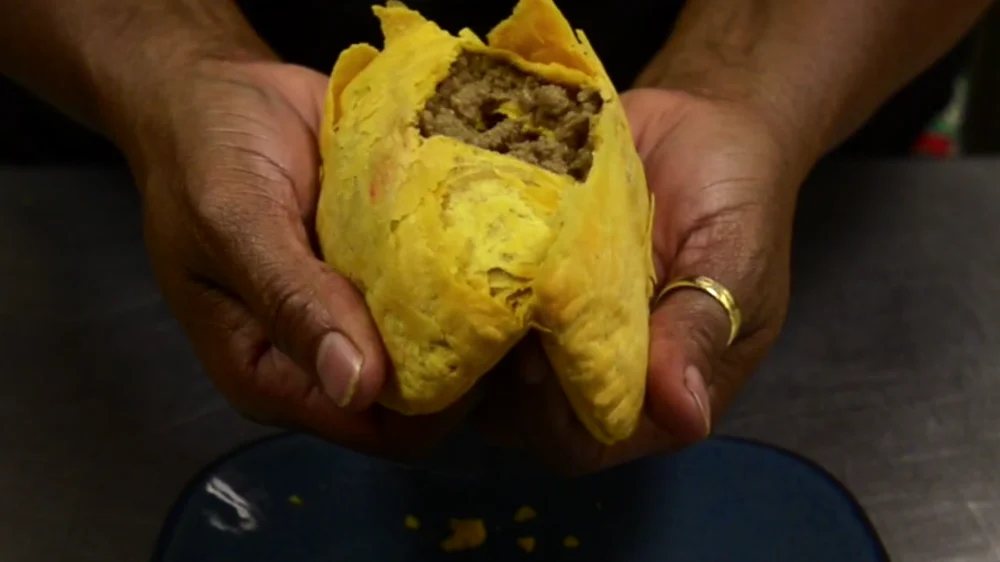
Few foods introduce Jamaican cooking more easily than a patty. It is portable, affordable, and immediately appealing. The crust is typically golden and flaky, often colored with turmeric or curry powder, and the filling may be beef, chicken, vegetable, saltfish, or other variations depending on the bakery.
A good beef patty should be peppery and moist inside, not dry or pasty. The pastry should crack gently when you bite it, then give way to filling with enough seasoning to stand on its own. In Jamaica and throughout the diaspora, patties are everyday food, not novelty food. They are bought on the go, eaten for lunch, paired with bread or cocoa bread, and relied upon because they are satisfying without requiring ceremony.
For beginners, the patty also offers a useful lesson about Jamaican seasoning. Even simple foods are rarely bland. The flavor tends to be assertive, but not chaotic. There is purpose behind the spice.
The sides are not afterthoughts
One of the fastest ways to misread Jamaican food is to focus only on the main protein. The sides shape the whole experience. Fried plantain, for instance, does more than add sweetness. Its caramelized edges soften the impact of peppery or smoky dishes and give the plate a sense of completion. Callaloo, a leafy green dish often cooked with onion, tomato, thyme, and sometimes Scotch bonnet, brings freshness and earthiness. Festival, a slightly sweet fried dough, adds a soft, comforting contrast to jerk meats.
Then there is ackee and saltfish, Jamaica’s national dish. Beginners are often unsure whether to start there, since ackee is unfamiliar to many people outside the Caribbean. That hesitation is understandable, but the dish is worth trying sooner rather than later. Ackee has a delicate, creamy texture that people often compare loosely to scrambled eggs or avocado, though it is really its own thing. When sautéed with salted cod, onions, peppers, and herbs, it becomes savory, rich, and surprisingly gentle in flavor. It is commonly eaten for breakfast, but there is no wrong time for it if you can find a good version.
If you are building a table for several people, sides are where the meal starts to make sense. They fill in the missing notes, sweet against savory, soft against crisp, mild against spicy.
What to know about spice before you order
The reputation for heat can make some newcomers cautious around Jamaican food. That is reasonable, especially with Scotch bonnet involved, but there is no need to avoid the cuisine if you are not a heat seeker. Spice levels vary widely by dish, by cook, and by restaurant. Some places tone things down for a broad audience. Others stay close to traditional levels. The most useful habit is simply to ask how hot a dish runs in that particular kitchen.
A practical point from experience: heat in Jamaican food often builds rather than strikes all at once. A stew may taste mild on the first bite, then warm steadily over a few minutes. Jerk sauce can seem manageable until you add one spoonful too many. Taste first, then decide. This is especially true with pepper sauces and side condiments.
For home cooks, the easiest mistake is overusing Scotch bonnet without understanding its strength. One whole pepper can transform a pot. Sometimes cooks drop it into a stew whole for aroma, then remove it before serving. That gives you some fragrance and background heat without turning dinner into a test of endurance.
A short guide to ordering well
A good first meal at a Jamaican restaurant usually comes down to pairing one bold main with supporting items that round it out rather than compete with it. The menu can be crowded, and portions are often generous, so a little restraint helps.
Keep these choices in mind:
- Pair rich mains like oxtail or curry goat with rice and peas, not another heavy starch.
- Add one sweet or fresh side, such as plantain or slaw, to offset smoke and spice.
- If you are unsure about heat, ask for sauce on the side.
- Split a patty or an extra main with the table instead of overordering alone.
- Save room for a drink, because the right one changes the meal.
That last point matters more than many people expect. Jamaican drinks are part of the experience. Sorrel has tartness and spice, often with notes of ginger. Ting offers a bright grapefruit lift. Kola Champagne is sweeter and more nostalgic. Irish moss, if available, is richer and more unusual. Even a simple ginger beer can sharpen the flavors of the meal and cut through fatty dishes beautifully.
If you want to cook at home, start small
Many people fall in love with Jamaican food in restaurants, then get overwhelmed when they look up recipes. The ingredient lists can seem long, and some techniques are easier to understand after you have tasted the dish properly. The trick is to start with dishes that teach core seasoning habits without demanding a special smoker or a weekend of prep.
Brown stew chicken is one of the best entry points. It teaches seasoning, browning, simmering, and balance. Rice and peas is another solid place to begin, as long as you pay attention to the liquid ratio and do not overdo the coconut milk. Jerk marinade is manageable at home too, provided you accept that your oven version will not taste exactly like roadside jerk cooked over pimento wood. It can still be very good.
A few pantry and fridge staples make Jamaican cooking much easier:
- Allspice
- Thyme
- Scallions
- Scotch bonnet peppers
- Coconut milk
With those on hand, plus basics like onion, garlic, ginger, and rice, you can cook a surprising number of recognizable dishes. The key is not to chase perfect authenticity on day one. Chase balance. Too many beginners make the marinade too sweet, the stew too salty, or the rice too wet. Taste as you go. Let the herbs stay visible. Give the food enough time.
The role of breakfast and everyday cooking
People often meet Jamaican food through lunch and dinner dishes, but breakfast is where a lot of everyday character lives. Ackee and saltfish is the obvious example, though it shares the table with fried dumplings, boiled green banana, yam, callaloo, and porridge. These are not light, decorative breakfasts. They are substantial, practical meals that reflect the island’s agricultural base and the demands of real work.
That is useful context for beginners because it explains why the cuisine can feel hearty across the board. Jamaican food is not generally trying to be delicate. It aims to nourish, satisfy, and hold your attention. Even snacks carry weight. Even breakfast often has substance.
This also helps explain portion sizes in many restaurants. A proper serving of oxtail with rice and peas and plantain can be enough for two lighter eaters, especially if a patty or side dish is involved. Newcomers sometimes order as if they are building a tasting menu and end up with far more food than expected.
Regional variation, diaspora cooking, and what “authentic” really means
One reason beginners get confused is that Jamaican food can look slightly different from one place to another. A family kitchen in Kingston, a jerk stand in Montego Bay, and a restaurant in London, Toronto, or New York may all serve dishes under the same name with different details. That does not automatically mean one is right and the others are wrong.
Availability matters. Equipment matters. So do migration patterns and customer expectations. A diaspora bakery may make patties with a crust that is a touch softer or richer than what you had elsewhere. A restaurant may dial back the Scotch bonnet for a broad neighborhood clientele. A home cook may swear by one herb ratio while another insists on something else. These variations are normal.
For a beginner, the most useful question is not “Is this the one true version?” but “Does this taste coherent, seasoned, and rooted in the dish’s character?” Authenticity matters, but it is not always best judged by one rigid template. Jamaican food is living food. It travels. It adapts. The better versions still carry a clear backbone of seasoning, method, and proportion.
Common beginner mistakes
The first is reducing the cuisine to jerk alone. Jerk is important, but if that is all you try, you miss the stews, breakfasts, bakery items, and sides that make the food feel whole.
The second is confusing spice with flavor. Some people chase the hottest item on the menu and miss the finesse in dishes that are less fiery but more developed. Oxtail, brown stew chicken, and ackee and saltfish can teach you more about Jamaican cooking than a plate overwhelmed by pepper.
The third is treating sides as optional. Rice and peas, plantain, festival, and greens are not filler. They provide contrast, absorb sauce, and make the meal work.
The fourth is expecting every restaurant to taste identical. It will not, and it should not. Learn the main patterns, then appreciate how individual cooks express them.
A strong first experience
If I were guiding someone through Jamaican food for the very first time, I would build the meal like this: jerk chicken or brown stew chicken as the main, rice and peas as the base, fried plantain on the side, one beef patty to share, and a sorrel or ginger beer to drink. If the group is larger, I would add oxtail or curry goat so everyone can compare a grilled preparation with a braise. That spread jamaican food is enough to show the cuisine’s range without turning the table into a survey course.
What tends to win people over is not any single flashy element. It is the way the pieces support each other. The smoke of jerk meets the sweetness of plantain. The rich gravy from oxtail sinks into coconut-scented rice. The flaky crust of a patty gives way to seasoned filling. The heat arrives, then settles. The meal feels generous, but also thought through.
That is the right place to start with Jamaican food. Not with pressure to master every dish, and not with a checklist of obscure ingredients. Start with the staples that locals return to, the dishes with real staying power. Once those make sense on your palate, the rest of the cuisine opens naturally.
Reggae Pot Jamaican Grill
2243 S Monaco St Pkwy #104
Denver, CO 80222
+1 720-410-2956
FAQ About jamaican food
What is the best Jamaican food to try in Denver?
The best choice depends on your tastes. Popular options include jerk chicken, curry goat, slow-cooked oxtail, and savory patties. Reggae Pot lists these dishes on its menu, with sides such as rice and peas and plantains. Ask the Denver team about current availability and spice levels.
Is Jamaican food very spicy in Denver?
Heat varies by dish and preparation. Jerk seasoning often includes scotch bonnet peppers alongside herbs and allspice, while other dishes may have gentler seasoning. Ask about the heat of the specific dish and any sauce before ordering.
What are some popular Jamaican snacks?
Jamaican patties are a popular snack made with flaky pastry and savory meat or vegetable fillings. Other options include fried dumplings and festival, a sweet fried dough often served with savory dishes. Availability varies, so check the current menu when ordering.