Jamaican Food Classics That Define Caribbean Cuisine

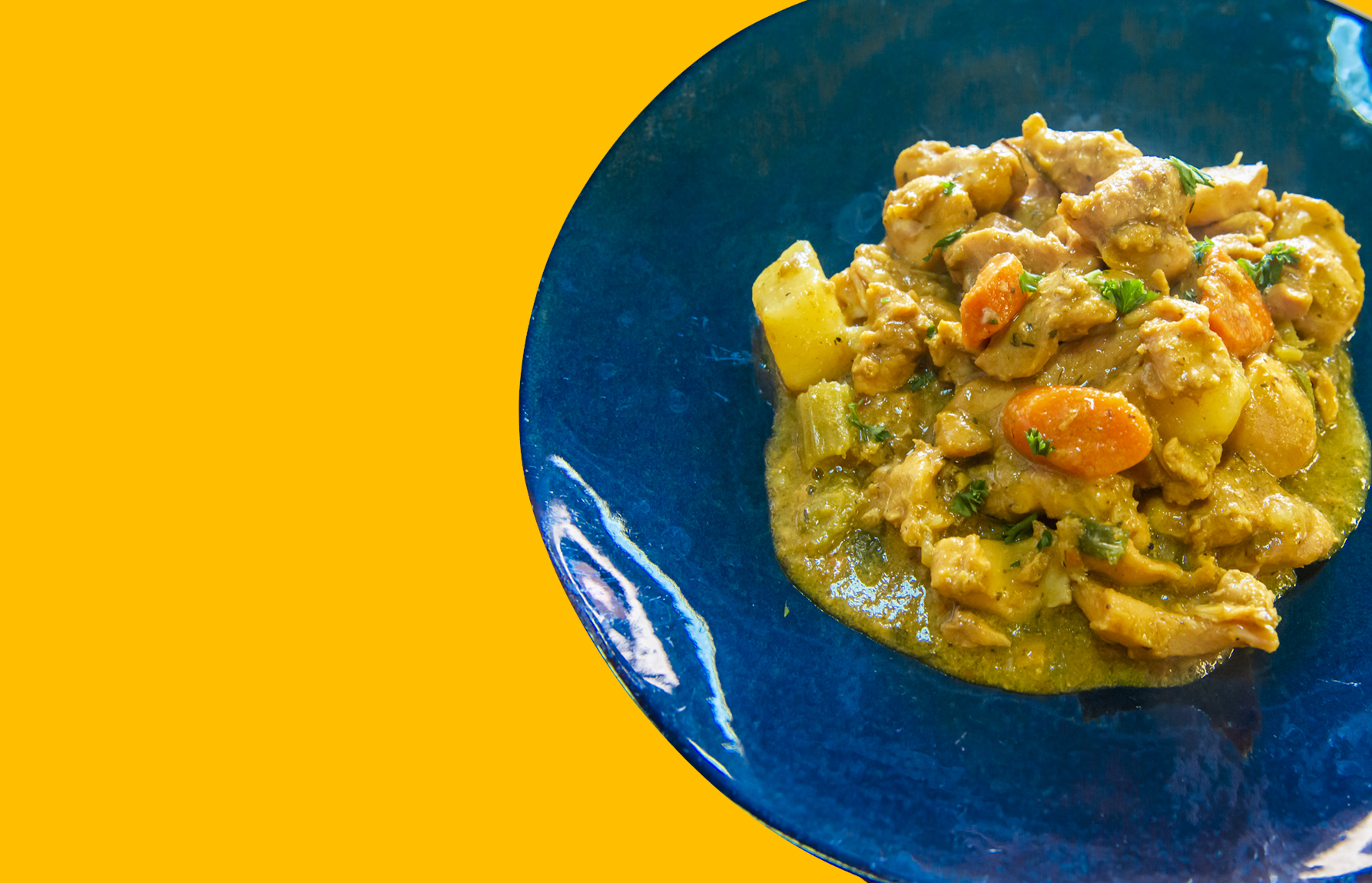
Jamaican food has a way of announcing itself before it reaches the table. You smell pimento smoke long before you see the grill. You catch the sweetness of caramelized onions and thyme rising from a pot. You hear oil crackle around a patty crust or fish skin, and by the time the plate lands, the appetite is already halfway convinced. That sensory force is one reason Jamaican cooking holds such a powerful place within Caribbean cuisine. The other reason is deeper. The food carries history in a form people actually want to revisit, one meal at a time.
To talk seriously about Jamaican food is to talk about migration, survival, trade, and adaptation. African cooking knowledge shaped the backbone of the cuisine. Indigenous ingredients and techniques matter too. So do British colonial habits, Indian indentured labor influences, Chinese Jamaican culinary contributions, and the practical logic of island life, where cooks learned to make bold, nourishing meals from what the land, sea, and market offered that week. The result is not a museum piece. It is a living cuisine, full of fire, sweetness, sourness, starch, and smoke.
What makes Jamaican classics stand out across the Caribbean is not just flavor intensity, though that certainly helps. It is the balance. Heat is almost never there for its own sake. Scotch bonnet pepper brings fruit as well as force. Allspice, called pimento in Jamaica, adds warmth that is woodsy rather than blunt. Thyme, scallion, ginger, garlic, coconut milk, browning sauce, and fresh citrus keep dishes layered. Even the richest preparations tend to have something bright running through them.
The character of the Jamaican table
A proper Jamaican meal often pairs a strongly seasoned main with one or two starches and something that cuts or steadies the richness. Rice and peas may sit beside stewed chicken. Fried plantain adds sweetness to balance salt and spice. A side of callaloo offers a softer, greener note against a highly seasoned fish. This is food built around contrast, and that contrast is one reason it travels so well. Someone trying Jamaican food for the first time usually remembers not one flavor but the sequence of them.
The island’s geography helps explain part of that character. Seafood matters because it must. Root vegetables matter because they endure and fill. Goats thrive in rough terrain, so curry goat became more than a festive specialty. Breadfruit, plantain, yam, cassava, and green banana supply a kind of sturdy culinary logic. They absorb sauces, anchor spicy proteins, and hold up under long cooking or frying. In many kitchens, they do the quiet work that lets the more famous dishes shine.
Jamaican food also depends on technique in a way casual eaters sometimes underestimate. A dish may sound simple on paper, but the difference between good and memorable often comes down to timing, seasoning, and confidence with heat. When to add thyme, how deeply to brown sugar for a stew, how long to soak saltfish, when a jerk fire is giving smoke rather than mere flame, these are learned judgments. They do not always show up in recipes, but they define the final taste.
Jerk, the dish that travels furthest
If one preparation has become shorthand for Jamaican food around the world, it is jerk. That fame is deserved, though the version many people know abroad can be a flattened copy of the real thing. Authentic jerk is not simply meat with hot seasoning. It is a method, a marinade, and traditionally a style of slow cooking over pimento wood. The ideal result is a piece of chicken or pork with charred edges, juicy interior, spice that blooms in stages, and smoke that feels woven into the flesh rather than painted on afterward.
Jerk’s roots are often linked to the Maroons, communities formed by formerly enslaved Africans who preserved and adapted cooking methods in the Jamaican interior. Cooking meat slowly, heavily seasoned, and often in covered pits made practical sense. It also created one of the most distinctive flavor profiles in the Caribbean. Scotch bonnet, pimento, thyme, scallion, ginger, garlic, cinnamon, nutmeg, and sometimes brown sugar or soy all appear in various versions. No two seasoned pastes are exactly alike. Families guard proportions. Roadside cooks improvise by touch and smell.
Jerk chicken is now more common than jerk pork in many places, partly because chicken is cheaper, quicker to cook, and easier to serve at scale. But jerk pork, when done well, remains the richer expression. The fat carries spice differently, and the smoke settles into it beautifully. Good jerk should not be wet with sauce. That is one of the most common mistakes outside Jamaica. The meat needs a dry, dark crust and a lively interior seasoning. Sauce can accompany it, but it should not drown it.
Festival, the slightly sweet fried dough often served alongside jerk, deserves mention here because it shows Jamaican balance at work. A bite of spicy, smoky meat followed by warm, golden festival is one of those combinations that seems obvious only after you have had it. The sweetness is not dessert sweet. It is just enough to round the pepper and sharpen your appetite for the next bite.
Ackee and saltfish, the national emblem with real depth
Ackee and saltfish has the formal distinction of being Jamaica’s national dish, but it would still matter without the title. It expresses several currents of Jamaican cooking at once. Ackee, originally from West Africa, found a new home on the island. Saltfish, usually salted cod, reflects older Atlantic trade networks and colonial foodways. Together, cooked with onion, tomato, scallion, thyme, and pepper, they become something richer than the ingredient list suggests.
For anyone who has never tasted ackee, description helps only so far. Its texture is soft and delicate, almost custardy when properly prepared, with a mild flavor that takes seasoning well. Visually it resembles scrambled eggs, which leads to lazy comparisons, but the eating experience is different. Ackee is more subtle, and that subtlety is exactly why saltfish works with it. The fish brings salinity and chew. The vegetables lend sweetness and freshness. Scotch bonnet contributes aroma more than brute heat when used carefully.
This is a dish where technique matters a great deal. Saltfish must be soaked and simmered enough to temper its saltiness without stripping all character. Ackee must be handled gently or it breaks down. The onions and peppers should soften but not disappear. A rushed version tastes disjointed. A good one feels inevitable, as if every element had only one proper place to land.
Ackee and saltfish is often served with fried dumplings, boiled green bananas, roasted breadfruit, or bammy. That flexibility tells you something important about Jamaican food. The main dish is often only half the story. The side determines whether the meal leans hearty, rustic, portable, or celebratory.
Curry goat and the art of patient spice
Curry goat is one of the clearest examples of how Jamaica took an outside influence and made it unmistakably its own. Indian indentured workers brought curry traditions to the island in the nineteenth century, but Jamaican curry developed a distinct profile. The spice blend tends to lean heavily on turmeric, coriander, cumin, fenugreek, and allspice, and the finished dish usually includes thyme, scallion, garlic, ginger, onions, and scotch bonnet. The goat itself demands time. There is no shortcut around that.
A proper curry goat should not taste dusty or one-dimensional. The spices need to bloom in oil, the meat should marinate, and the pot needs enough time for connective tissue to surrender. Done right, the gravy becomes glossy and deeply savory, with warmth that lingers rather than strikes all at once. The best versions have a slight edge from the pepper and a subtle sweetness from onion and browned aromatics.
This dish appears at Sunday dinners, weddings, holiday gatherings, and community events for good reason. Goat feeds a crowd well, and the flavor improves as it rests. That makes curry goat one of the great celebration foods of Jamaica and the wider Caribbean. It is also a dish that reveals the cook’s discipline. Undercooked goat is tough and disappointing. Overseasoned curry can turn bitter. There is a narrow path between the two, and experienced cooks walk it almost by instinct.
Rice and peas is the classic partner, and despite the name, the “peas” are usually kidney beans or gungo peas depending on the occasion and the season. The rice cooked in coconut milk with thyme and scallion does more than fill the plate. It catches the curry gravy and softens the spice without muting it.
Rice and peas, the side that is never just a side
It is tempting to talk about rice and peas as accompaniment, but that undersells its role in Jamaican cuisine. A pot of rice and peas can tell you a lot about a kitchen. The rice should be separate, not mushy. The coconut flavor should be present but not cloying. Thyme and scallion should perfume the pot rather than dominate it. The beans need to be tender enough to blend with the rice while still retaining shape.
Sunday rice and peas has cultural weight beyond its ingredients. In many homes, it is expected. It anchors the meal and signals a certain rhythm of family life. If you have ever walked into a house where a pot is steaming on the stove, thyme scent in the air, and a larger dish waiting beside it, you know how much emotional ground this humble preparation covers.
The dish also illustrates one of Jamaican cooking’s quiet strengths, restraint. Many of the cuisine’s most famous items are bold and dramatic, but good rice and peas succeeds by calibration. Too much coconut and it becomes heavy. Too little seasoning and it fades into the background. When done well, it is soothing, fragrant, and exactly assertive enough to stand beside stronger flavors.
Escovitch fish and the beauty of sharp contrasts
Escovitch fish is one of the most satisfying dishes in Jamaican cooking because it is built around tension. The fish, often snapper, is fried until the exterior is crisp and the flesh stays moist. Then it is topped with a hot pickled mixture of carrots, onions, bell peppers, and scotch bonnet in vinegar. You get crisp skin, tender fish, acidic vegetables, and sudden flashes of heat in the same forkful.
That vinegar element matters. It cuts through fried richness and turns the dish from heavy to lively. In tropical climates, that kind of brightness is more than a flavor preference. It is practical eating. You want food that satisfies but still feels awake on the palate. Escovitch does exactly that.
The quality of the fry is crucial. If the fish is greasy, the whole dish falls flat. If the pickled vegetables are too harsh, they dominate everything. The best versions are balanced enough that you can taste the sweetness of carrot, the onion’s bite, the fish’s freshness, and the pepper’s fruitiness individually. Bammy, a cassava flatbread with deep Jamaican roots, often accompanies escovitch fish and soaks up juices without becoming cumbersome.
Among Jamaican classics, this one perhaps best demonstrates that Caribbean cuisine is not just about spice and comfort. It is also about precision, acidity, and texture.
Oxtail, stewed depth and modern popularity
Oxtail has moved from beloved local specialty to global menu fixture, and in many markets the price has climbed sharply because of that popularity. The irony is that oxtail was long appreciated precisely because it rewarded slow, careful cooking of a less glamorous cut. Jamaican oxtail is usually seasoned, browned, then braised until deeply tender with butter beans, herbs, onion, garlic, and often browning sauce for color and depth.
The sauce is what people remember. It should be rich without becoming muddy, gelatinous in the best sense, clinging to rice rather than spreading like thin broth. Butter beans are not filler. They absorb the braising liquid and create textural contrast against the meat. When the dish is right, the oxtail yields with almost no resistance but still holds shape.
There is a tendency in some restaurants to oversweeten the gravy or lean too hard on bottled sauces. That shortcut misses the point. Real oxtail flavor comes from browning the meat properly, allowing aromatics to soften and deepen, and giving the pot time. It is one of the clearest cases where impatience shows on the plate.
Patties, portability and everyday appetite
Not every defining classic comes from the dinner table. Jamaican patties are among the most recognizable street and bakery foods in the Caribbean. The crust, tinted yellow with turmeric or curry powder, should be flaky enough to shatter lightly but sturdy enough to hold the filling. The filling may be beef, chicken, vegetable, lobster, or saltfish, but spicy beef remains the benchmark for many eaters.
A good patty is an exercise in control. The filling has to be moist, but not wet enough to ruin the pastry. It must be strongly seasoned, but not so aggressive that it tastes salty after three bites. Heat level varies widely. Some patties are mild enough for a quick lunch. Others carry enough pepper to demand a cold drink and a pause.
The coco bread pairing has become iconic for a reason. Tucking a hot patty into the soft, slightly sweet bread turns a snack into a filling meal and creates another classic Jamaican contrast, flaky and soft, spicy and mellow, rich and airy.
From a culinary perspective, patties matter because they show Jamaican flavor in a format that suits modern life. They travel well, serve quickly, and satisfy deeply. That practicality helps explain their spread across diaspora communities from London to Toronto to New York.
The supporting cast that shapes the cuisine
Some foods become famous while others quietly define daily eating. Callaloo, often sautéed with onion, garlic, thyme, and tomato, brings a gentle earthiness that rounds out many breakfasts and dinners. Fried ripe plantain contributes sweetness and caramelized edges. Bammy offers a cassava-based starch with a history that reaches back before colonial rule. Fried dumplings and boiled ground provisions bring substance to breakfast tables and workmen’s lunches alike.
A few ingredients appear so often that they function almost like signatures of the island’s palate:
- Scotch bonnet, for fragrant heat that is fruity as well as fierce.
- Pimento, or allspice, which gives jerk and stews their unmistakable warmth.
- Thyme, used fresh whenever possible for aromatic lift.
- Scallion, which creates a green, savory base in countless dishes.
- Coconut milk, especially in rice and peas and some rundown-style preparations.
These ingredients are not unique to Jamaica in every case, but the way Jamaican cooks combine them is distinctive. Proportion matters. Timing matters. So does confidence. A hesitant hand with thyme or pimento can leave a dish flat. An excessive hand with scotch bonnet can erase the rest of the plate.
Why these classics define more than one island
It is worth being precise here. Caribbean cuisine is not one uniform thing, and any serious discussion should resist flattening the region into a single kitchen. Trinidad is not Barbados. Haiti is not Cuba. Jamaica’s classics define Caribbean cuisine not because they replace other island traditions, but because they capture several regional truths especially vividly.
First, they show creolization in action, where https://andyajcv006.lumenforgex.com/posts/exploring-regional-variety-in-jamaican-food African, European, Indian, and Indigenous influences meet in forms that are unmistakably local. Second, they highlight the Caribbean gift for building complexity from everyday ingredients. Third, they embody the region’s understanding of contrast, hot with sweet, rich with sharp, hearty with bright. Finally, they travel well. Jamaican food has been carried and preserved by diaspora communities with remarkable fidelity, which has given it outsized cultural visibility.
That visibility does create a trade-off. The more popular a cuisine becomes, the more it risks simplification. “Jamaican” can become a marketing label attached to generic spice mixes, sugary sauces, or anything vaguely spicy and grilled. The classics resist that flattening if people pay attention to what actually makes them work: smoke, pickling, starch pairing, fresh herbs, timing, and a very particular sense of balance.
Eating these dishes in context
One of the best ways to understand Jamaican food is to notice when and where it appears. Jerk from a roadside stand tastes different from jerk plated in a hotel restaurant, even if both are competent. Curry goat at a wedding carries a festive generosity that changes the whole meal. Ackee and saltfish at breakfast feels altogether different from a late lunch version with dumplings and plantain. These foods live in context, not just in recipes.
For someone building a first serious exploration of Jamaican classics, a practical sequence helps:
- Start with jerk chicken or pork to understand the cuisine’s relationship with smoke and spice.
- Move to ackee and saltfish for a sense of texture, history, and breakfast culture.
- Try curry goat with rice and peas to experience celebratory depth and slow cooking.
- Add escovitch fish to see how vinegar and heat sharpen the palate.
- Finish with a patty from a good bakery, because everyday food often explains a culture as clearly as feast food.
What tends to surprise newcomers is how coherent the cuisine feels after just a few meals. Even the dishes that seem very different share a common grammar. You begin to recognize thyme under the surface, the role of pepper not just as heat but perfume, the importance of starch as structure, the way sweet notes arrive exactly when needed.
That coherence is the mark of a mature culinary tradition. Jamaican food is not memorable because it is loud. It is memorable because it is composed. The classics endure because each one solves a different cooking problem with intelligence and style. How do you preserve fish and make it luxurious? Ackee and saltfish answers that. How do you turn smoke and spice into a national calling card? Jerk answers that. How do you transform a tough cut or a bony animal into a celebratory centerpiece? Curry goat and oxtail answer that. How do you make something portable, affordable, and unmistakably local? The patty answers that.
For anyone serious about Caribbean cuisine, Jamaican food deserves more than casual admiration. It deserves close tasting, repeated tasting, and attention to craft. The classics are famous for good reason. They do not merely represent Jamaica on a plate. They show how an island can turn history, hardship, ingenuity, and appetite into one of the most compelling food traditions in the world.
Reggae Pot Jamaican Grill
2243 S Monaco St Pkwy #104
Denver, CO 80222
+1 720-410-2956
FAQ About jamaican food
What is the best Jamaican food to try in Denver?
The best choice depends on your tastes. Popular options include jerk chicken, curry goat, slow-cooked oxtail, and savory patties. Reggae Pot lists these dishes on its menu, with sides such as rice and peas and plantains. Ask the Denver team about current availability and spice levels.
Is Jamaican food very spicy in Denver?
Heat varies by dish and preparation. Jerk seasoning often includes scotch bonnet peppers alongside herbs and allspice, while other dishes may have gentler seasoning. Ask about the heat of the specific dish and any sauce before ordering.
What are some popular Jamaican snacks?
Jamaican patties are a popular snack made with flaky pastry and savory meat or vegetable fillings. Other options include fried dumplings and festival, a sweet fried dough often served with savory dishes. Availability varies, so check the current menu when ordering.